
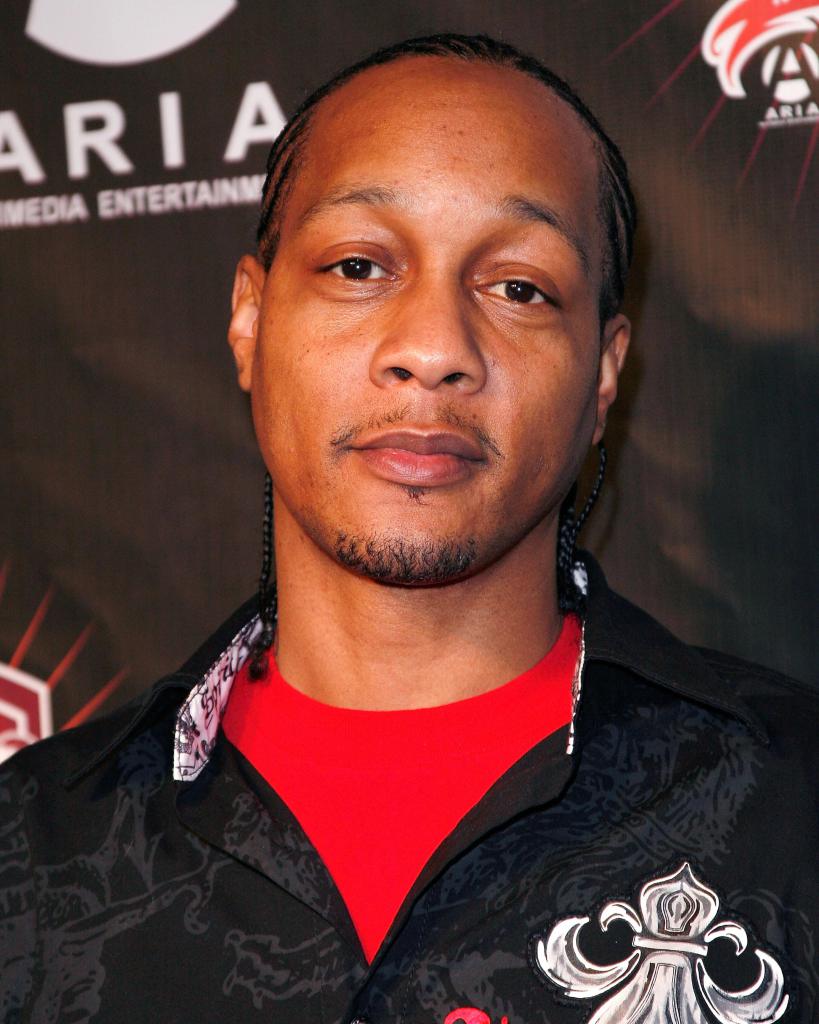
When people talk about the greatest hip-hop producers of all time, Dr. Dre’s name usually comes up first.
And understandably so.
But there is another producer from Compton whose musical talent, creativity and influence deserve far more attention in that conversation.
His name is DJ Quik.
A rapper, producer, arranger and studio perfectionist, Quik developed one of the most distinctive sounds in West Coast hip-hop.
His records were funky, polished, musical and instantly recognizable.
Yet outside dedicated hip-hop circles, his name doesn’t always receive the recognition his work deserves.
So why isn’t DJ Quik mentioned more often among hip-hop’s greatest producers?
Compton Had More Than One Sound
The history of Compton hip-hop is often told through N.W.A, Eazy-E and Dr. Dre.
Their contribution was enormous, but they weren’t the only artists developing an important musical identity in the city.
DJ Quik approached West Coast rap from a different direction.
Where some of the era’s most aggressive records relied on dark, confrontational production, Quik frequently built songs around warmth, rhythm and musical detail.
His basslines moved.
His drums bounced.
His arrangements often included carefully layered keyboards, guitar, percussion and the influence of classic funk.
And he understood something that not every producer could master: how to make a record sound relaxed without making it sound simple.
Quik’s music could feel effortless, even when the arrangements underneath were remarkably intricate.
Quik Is the Name: An Extraordinary Introduction
In 1991, DJ Quik released his debut album, Quik Is the Name.
For a young rapper-producer, it was an impressive statement.
Songs such as “Tonite” and “Born and Raised in Compton” introduced listeners to his conversational delivery and unmistakably funky production.
But the record’s real importance went beyond its singles.
Quik was presenting himself as an artist who could control the musical identity of his own album.
He wasn’t simply finding beats to rap over.
He was building the environment in which his lyrics existed.
That ability would define his career.
A year later, Way 2 Fonky continued developing his sound.
The album brought more of the hard-hitting funk, bass-heavy production and personality that had already made Quik a distinctive figure.
While the wider industry was preparing to embrace Dr. Dre’s The Chronic, Quik had already demonstrated that Compton’s musical landscape contained more than one extraordinary creative voice.
Safe + Sound: A West Coast Masterclass
Released in 1995, Safe + Sound may be DJ Quik’s finest album.
It’s a record that deserves to be mentioned whenever fans discuss the greatest West Coast production of the decade.
The title track combines a fluid groove with a polished, unmistakably California sound.
“Summer Breeze” reveals another side of Quik’s musical personality, with a warmer, more relaxed atmosphere.
“Quik’s Groove III” highlights the instrumental craftsmanship that made his production special.
And then there’s “Dollaz + Sense.”
The confrontational track, directed at MC Eiht, became one of the most memorable diss records of its era.
What makes it particularly striking is the contrast between the music and the lyrics.
The production is smooth and inviting.
The delivery is anything but friendly.
That tension is a perfect example of Quik’s ability to create multiple moods within the same recording.
But Safe + Sound isn’t only about memorable tracks.
It’s about the details between them.
The bass playing. The instrumental arrangements. The relationship between percussion and melody. The way everything fits together without competing for attention.
Listen closely and you’ll hear why Quik deserves recognition as much more than a beatmaker.
He was an architect of sound.
A Different Kind of Musical Genius
There is a difference between producing a great beat and arranging a great record.
DJ Quik understood both.
His work often incorporated live musicianship and sophisticated musical arrangements, giving his albums a richness that rewarded repeated listening.
He wasn’t afraid of melody.
He wasn’t afraid of letting an instrumental section breathe.
And he didn’t treat every song as though the only objective was to create the hardest possible drum pattern.
That musical approach helped separate him from many of his contemporaries.
It also made his sound adaptable.
Quik could create aggressive street records, smooth summer tracks and intricate instrumental passages while maintaining his own identity.
That’s a rare skill.
His Influence Went Beyond His Own Albums
DJ Quik also contributed to records outside his solo career.
His work with artists such as 2nd II None and AMG helped establish a broader circle of West Coast performers.
He produced “Heartz of Men” for 2Pac’s All Eyez on Me, bringing his distinctive production style into one of the biggest rap albums of 1996.
And his career would eventually extend well beyond the early-’90s scene.
On Rhythm-al-ism in 1998, Quik continued exploring the relationship between hip-hop, funk, soul and live instrumentation.
His contributions to other artists’ recordings further demonstrated that he could work beyond the boundaries of his own catalog.
That flexibility is a major part of his legacy.
Why Does Dr. Dre Get More Recognition?
Dr. Dre became one of the most commercially powerful figures in hip-hop history.
He helped shape the careers of major artists and created records that transformed the music industry.
There is no reason to diminish those achievements.
But it would be equally wrong to overlook DJ Quik’s accomplishments simply because his commercial reach was different.
Quik developed a distinctive production style, demonstrated exceptional musical abilities and created a catalog that remains highly respected among West Coast hip-hop fans.
The comparison is not about proving that one producer is objectively better.
It’s about recognizing that excellence can take different forms.
Dre’s greatest productions often sound enormous, cinematic and authoritative.
Quik’s finest work can feel intimate, fluid and rhythmically intricate.
Both approaches helped define West Coast hip-hop.
And both deserve serious recognition.
Is DJ Quik Underrated?
Among knowledgeable hip-hop fans, DJ Quik is hardly a secret.
Producers, musicians and longtime listeners have recognized his talent for decades.
But broader conversations about the greatest producers frequently focus on a relatively small group of names.
Quik deserves to be part of that discussion.
Not because he sounds like Dr. Dre.
Not because he belongs to the same city.
But because his records demonstrate an exceptional understanding of musical arrangement, rhythm and sonic identity.
DJ Quik didn’t need to imitate anyone. His sound was already his own.
And when you listen to Quik Is the Name, Way 2 Fonky, Safe + Sound and Rhythm-al-ism, it’s difficult to argue that his contribution was anything less than extraordinary.
Perhaps the real question isn’t whether he’s underrated.
Perhaps it’s why conversations about hip-hop production sometimes leave so little room for musical genius outside the most commercially celebrated names.
What Do You Think?
Is DJ Quik one of the greatest producers in hip-hop history?
And where do you rank him alongside Dr. Dre, DJ Premier, RZA, Pete Rock and other legendary producers?
Which Quik album or beat deserves more recognition?
Let us know in the comments below.
Real hip-hop. Real stories. No compromise.