When people debate the greatest rappers of all time, certain names appear almost automatically.
2Pac. The Notorious B.I.G. Nas. Jay-Z. Rakim. Ice Cube.
But what about Too $hort?
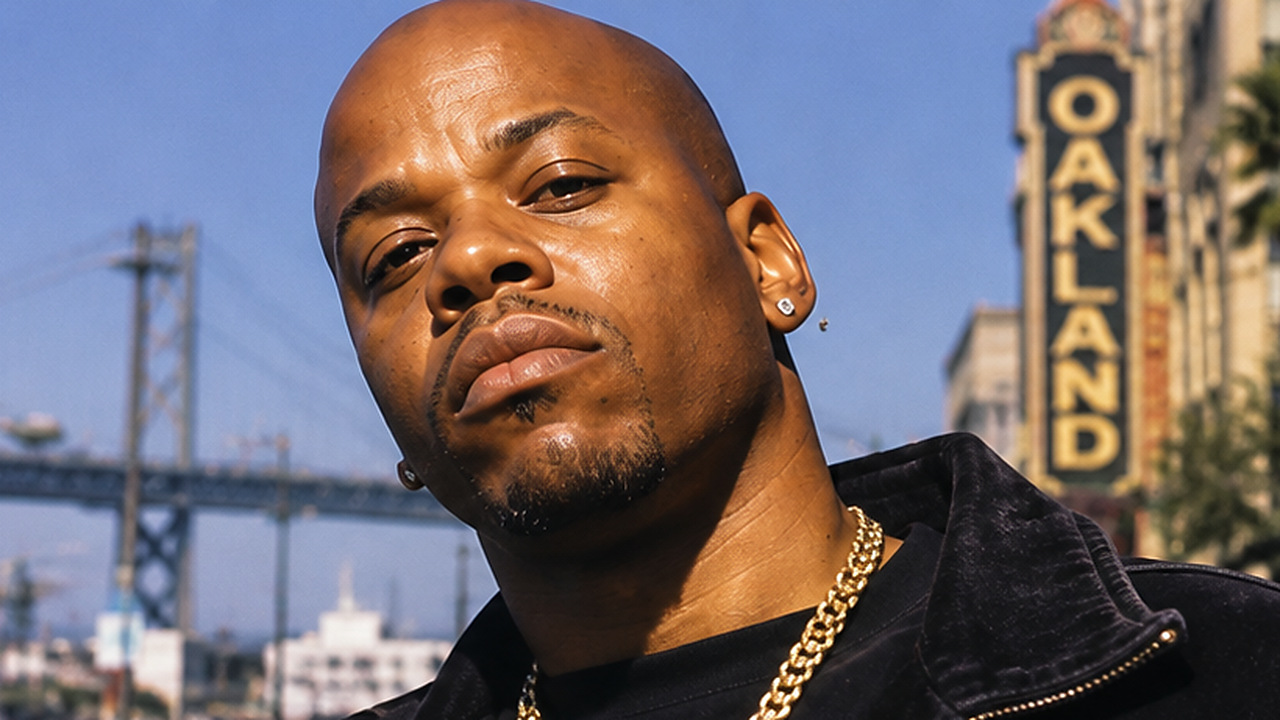
Before West Coast hip-hop became a worldwide phenomenon, before Death Row dominated the charts, and before the Bay Area received widespread attention, a young rapper from Oakland was building his own movement.
His name was Todd Shaw.
The world would come to know him as Too $hort.
And despite his extraordinary career, his place in hip-hop history is still too often underestimated.
Before the West Coast Explosion
To understand Too $hort’s importance, you have to remember what hip-hop looked like during the early 1980s.
New York was the center of the culture. West Coast rap was still developing its own identity, and Oakland was hardly viewed as a major music-industry destination.
Too $hort didn’t wait for a major record label to discover him.
He recorded music independently, made tapes and sold them directly to people in his community.
That approach wasn’t glamorous. It required understanding an audience, building local relationships and creating demand without the machinery of a major label.
But it worked.
Before independent entrepreneurship became one of hip-hop’s most celebrated traditions, Too $hort was already showing what an artist could accomplish outside the conventional industry structure.
His early records helped develop the sound that would eventually become synonymous with Oakland: heavy bass, funk grooves, blunt storytelling and unmistakable regional personality.
Too $hort wasn’t following a national blueprint.
He was helping create one.
Born to Mack: Building the Oakland Sound
With Born to Mack, Too $hort established the foundations of his signature style.
His delivery was conversational, direct and immediately recognizable.
He didn’t sound like the technically intricate East Coast MCs who were redefining lyricism during the same period.
And that was precisely the point.
Too $hort understood that a rapper didn’t necessarily need complex rhyme patterns to command attention.
Sometimes personality, timing, rhythm and a distinctive point of view could be just as powerful.
His music drew heavily from funk and Oakland street culture. The basslines were central to the experience, and the songs often unfolded like extended stories rather than traditional radio singles.
When Life Is… Too $hort followed, his reputation continued to grow.
The album’s title track became one of the defining recordings of his early career.
At a time when many rappers were focused on sounding tougher, faster or more technically impressive, Too $hort sounded comfortable being himself.
That confidence became one of his greatest strengths.
The Albums That Proved His Staying Power
It’s easy to call an artist influential.
It’s much harder to explain how that influence survived over multiple albums.
Too $hort built a remarkable catalog.
Short Dog’s in the House helped carry his success into the 1990s.
Shorty the Pimp arrived in 1992, at a time when West Coast hip-hop was moving toward its greatest commercial explosion.
Then came Get In Where You Fit In in 1993.
For many longtime fans, this remains one of his essential records.
Songs such as “I’m a Player” and “Just Another Day” capture the atmosphere of Oakland’s early-’90s scene. The production is funky and unhurried, allowing Too $hort’s distinctive delivery to dominate.
The Dangerous Crew’s musical contributions also gave the album a sound that extended beyond simple drum programming.
Two years later, Cocktails demonstrated that Too $hort could continue attracting listeners without abandoning the style that had made him successful.
And in 1996, he released Gettin’ It (Album Number Ten), another major chapter in an already extensive discography.
Think about the timeline.
By the time some of the most celebrated rappers of the 1990s were releasing their first or second albums, Too $hort had already spent years building a successful career.
That longevity deserves serious respect.
Oakland Was Never Just Another West Coast City
One of the biggest mistakes people make when discussing ’90s rap is treating California as though it had one unified sound.
Los Angeles and Compton had N.W.A, Dr. Dre, Ice Cube, DJ Quik and Death Row.
Oakland had its own history.
Too $hort helped establish a musical identity that could stand apart from Southern California’s dominance.
The Bay Area eventually became home to distinctive voices such as E-40, Spice 1, Mac Mall, Luniz and many others.
These artists didn’t all sound alike, but they operated within a region where independent hustle, local slang and individuality were central to the culture.
Too $hort’s contribution to that foundation was enormous.
He demonstrated that Oakland artists could build successful careers without copying New York or Los Angeles.
And that influence extended beyond music.
His approach to making and selling records helped establish a business mentality that would become increasingly important across hip-hop.
Why Isn’t He Mentioned More Often?
There are several possible explanations.
Too $hort was never primarily celebrated as a technical lyricist.
His delivery was deliberately simple compared with artists such as Rakim, Nas or Big L.
His lyrics also leaned heavily into sexual themes, explicit humor and the player persona that became central to his identity.
That material helped build his audience, but it also limits how some listeners evaluate his legacy. Much of it deserves criticism for its treatment of women.
A serious reassessment shouldn’t pretend those issues don’t exist.
At the same time, judging his entire contribution solely through lyrical complexity or controversial subject matter misses something important.
Hip-hop has always involved more than one form of artistic excellence.
Originality matters.
Production matters.
Regional influence matters.
Connecting with an audience matters.
And building an independent movement before that approach became fashionable certainly matters.
Too $hort brought all of those elements to the table.
The Legacy of Short Dog
Too $hort was commercially successful. He wasn’t an unknown artist waiting to be discovered.
The issue is whether his cultural contribution receives the same recognition as his record sales and longevity.
He helped put Oakland rap on the national map.
He developed a distinctive vocal identity.
He created records that remain important to the Bay Area sound.
And he demonstrated the power of independent distribution at a time when many artists were still completely dependent on traditional record labels.
You don’t have to consider Too $hort the greatest technical rapper to recognize him as one of hip-hop’s important pioneers.
His story is bigger than any individual verse.
Too $hort didn’t simply benefit from West Coast hip-hop’s rise. He helped make that rise possible.
And that’s why his name belongs in more conversations about the artists who built the culture.
What Do You Think?
Does Too $hort deserve a place among hip-hop’s greatest legends?
Which album is his best: Life Is… Too $hort, Get In Where You Fit In, Cocktails or another classic?
Drop your picks in the comments below. We want to hear from the real hip-hop heads.
Real hip-hop. Real stories. No compromise.